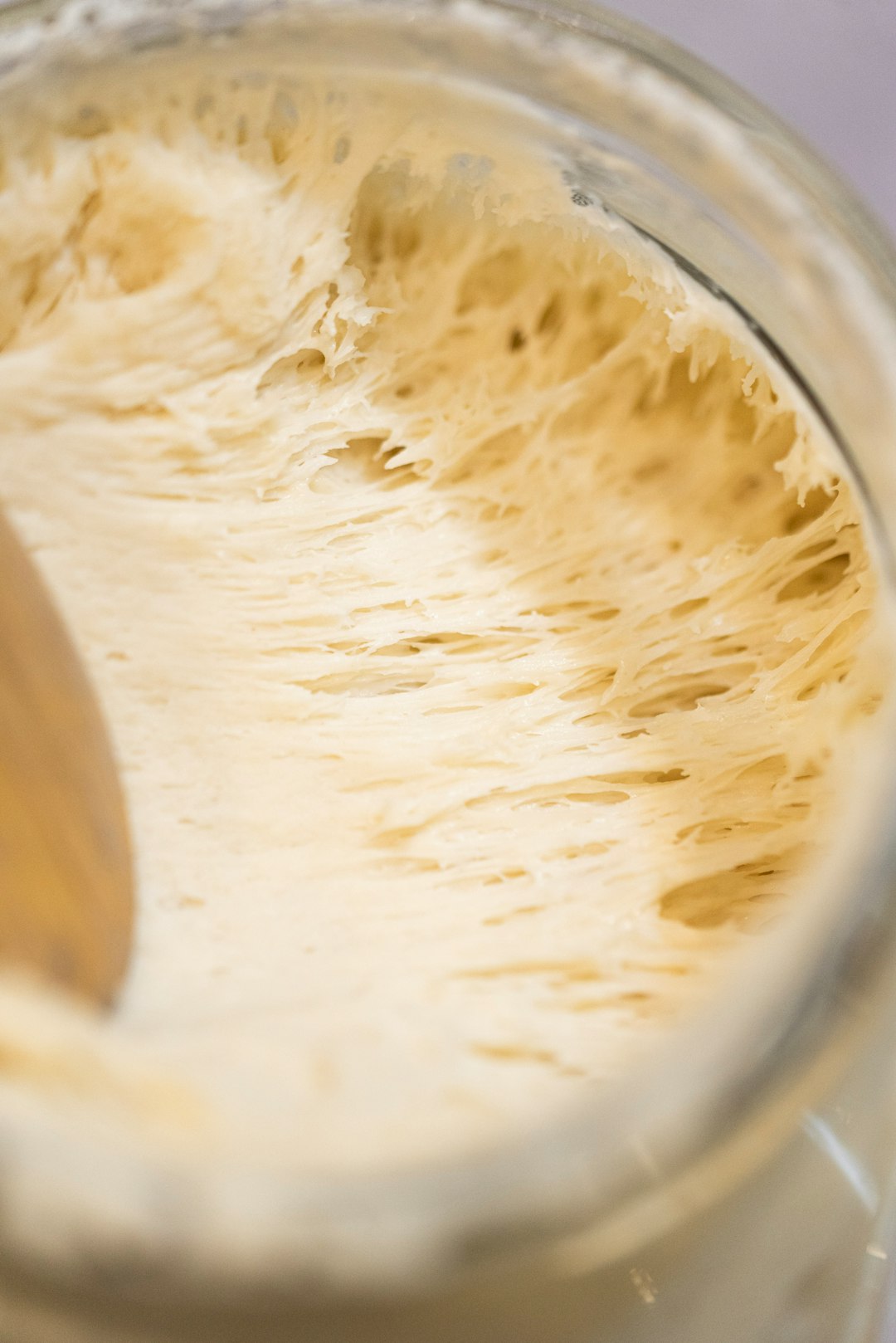
Benefits of Cold Ferment Pizza Dough
Cold ferment pizza dough is one of the simplest ways to make homemade pizza taste more complex, balanced, and restaurant-worthy. By letting the dough rest slowly in the refrigerator, you give flour, water, yeast, and salt time to develop better flavor, texture, and handling. Whether you are refining a favorite pizza dough recipe or trying a 72 hour cold ferment pizza dough for the first time, the method rewards patience with a lighter crust, deeper aroma, and more predictable results.

What is cold ferment pizza dough?
Cold ferment pizza dough is pizza dough that rises slowly in the refrigerator instead of fermenting quickly at room temperature. The cooler temperature slows yeast activity while still allowing enzymes to break down starches and proteins in the flour, which helps build flavor and improve dough structure. In practical terms, cold fermentation gives the dough more time to become flavorful, stretchy, and easier to shape without requiring much extra hands-on work.
A basic cold ferment pizza dough recipe usually includes the same core ingredients as standard dough: flour, water, yeast, and salt. The difference is the schedule. Instead of mixing the dough, waiting a short time, and baking the same day, you mix it in advance and let time do much of the work.
That slower timeline is why many home cooks and pizza makers use cold fermentation for artisan pizza dough. It does not require complicated equipment, but it does require planning. If you can make dough a day or two before pizza night, you can dramatically improve the final crust.
The biggest benefit is better flavor
The most noticeable benefit of cold ferment pizza dough is flavor. Quick dough can taste pleasant, but it often has a plain, flour-forward character. Cold fermentation gives the dough time to develop subtle sweetness, mild tang, and a more rounded wheat flavor.
This happens because the dough continues to change as it rests. Enzymes in the flour gradually convert starches into simpler sugars. Yeast consumes some of those sugars and produces flavorful byproducts. Salt, hydration, and time all work together to create a dough that tastes less flat and more complete.
The result is a crust that can stand on its own. It does not need to hide under heavy toppings or extra cheese. A well-made cold ferment pizza dough can make a simple pizza with tomato, mozzarella, and basil feel intentional, balanced, and satisfying.
Cold fermentation improves crust texture
Flavor gets most of the attention, but texture is just as important. Cold fermentation helps create a crust with a crisp exterior, a tender interior, and better chew. This is especially useful for homemade pizza dough, where the oven may not reach the same temperatures as a professional pizza oven.
A longer rest gives gluten time to relax and organize. That makes the dough easier to stretch and less likely to snap back as you shape it. When baked, the dough can puff more evenly, producing a rim that feels airy rather than dense.
Cold fermentation can also help with browning. As starches break down into sugars, the crust has more available sugar on the surface during baking. That can contribute to a more appealing golden color and a deeper roasted flavor, especially when the dough is baked on a hot stone, steel, or preheated baking surface.
Why does a 72 hour cold ferment pizza dough work so well?
A 72 hour cold ferment pizza dough works well because it gives flavor and structure more time to develop while the refrigerator keeps fermentation controlled. The dough ferments slowly enough that it does not rush past its ideal point, yet long enough to build complexity. For many home pizza makers, three days offers a useful balance between convenience, taste, and dough performance.
That does not mean every dough must ferment for exactly 72 hours. A 24-hour dough can still be excellent, and a 48-hour dough may be the perfect middle ground for your schedule. The 72-hour mark is popular because it often produces a noticeably deeper flavor without becoming difficult to manage, as long as the yeast amount is appropriate.
If the dough is over-yeasted, even the refrigerator cannot fully prevent it from becoming overproofed. A good cold ferment pizza dough recipe uses a modest amount of yeast because time is doing the heavy lifting. Less yeast plus more time typically produces a cleaner flavor and better dough strength than a fast rise loaded with yeast.
A practical cold ferment timeline
Cold fermenting pizza dough is easier when you think in terms of stages. You do not need to fuss with the dough constantly. Most of the process is simply giving it time.
Try this general timeline for a flexible cold ferment pizza dough routine:
Mix the dough 24 to 72 hours before baking. Combine flour, water, yeast, and salt until no dry patches remain.
Rest and strengthen it with a short room-temperature rest. Depending on your recipe, you may knead briefly or use stretch-and-folds to build structure.
Refrigerate the dough in a lightly oiled, covered container. Make sure the container has room for expansion.
Divide into dough balls either before refrigeration or after an initial bulk rest, depending on your preferred method.
Warm before shaping by letting the dough sit at room temperature until it relaxes and becomes easier to stretch.
Shape gently so you preserve the gas built during fermentation, especially around the outer rim.
Bake hot on a preheated surface for the best oven spring, browning, and crispness.
This schedule can be adapted to your life. If you want pizza on Friday night, mix dough on Tuesday or Wednesday. If you decide a day ahead, a 24-hour cold ferment can still make a meaningful difference.
Better dough handling for home cooks
One underrated benefit of cold ferment pizza dough is how manageable it becomes. Freshly mixed dough can feel sticky, tight, or elastic in a frustrating way. After time in the refrigerator, the dough often feels smoother and more cooperative.
This matters because shaping is where many homemade pizzas go wrong. If the dough resists stretching, people tend to press too hard, use too much flour, or roll out all the air. Cold fermentation helps reduce that resistance, making it easier to create a round pizza with a defined edge and an even center.
For best handling, avoid shaping the dough straight from the refrigerator unless your recipe specifically calls for it. Cold dough is firm and can tear. Let it warm until it feels pliable, then stretch it gently from the center outward while leaving the rim slightly thicker.
Common mistakes to avoid
Cold fermentation is forgiving, but a few habits can limit your results. The good news is that most mistakes are easy to correct once you know what to watch for.
Avoid these common issues:
Using too much yeast: Long fermentation needs less yeast than a same-day dough. Too much can lead to overproofing, sourness, or weak structure.
Skipping salt: Salt improves flavor and helps regulate fermentation. Leaving it out can make dough bland and harder to control.
Sealing the container too tightly: Dough expands as it ferments. Use a covered container with enough space so pressure and overflow do not become problems.
Not allowing enough warm-up time: Dough that is too cold may shrink back or tear during shaping.
Adding too much bench flour: A light dusting helps prevent sticking, but excess flour can make the crust dry or dusty after baking.
Overloading toppings: A flavorful artisan pizza dough shines with balanced toppings. Too much sauce, cheese, or moisture can weigh down the crust.
If your dough smells strongly alcoholic, collapses, or feels overly slack, it may have fermented too long or used too much yeast. If it tastes bland and does not brown well, it may need more time, better flour, or a slightly adjusted recipe.
How does cold ferment dough compare with same-day dough?
Cold ferment dough usually offers deeper flavor, better browning, and easier shaping than same-day dough, while same-day dough is faster and more convenient. If you need pizza tonight, a quick dough can still be useful. If you want a more developed crust with less last-minute effort, cold fermentation is the stronger choice.
Same-day dough relies on speed. It often uses more yeast and a warmer environment to rise quickly. That approach can produce a good pizza, but the flavor development is limited because the dough has less time to mature.
Cold ferment pizza dough shifts the effort earlier. You mix the dough in advance, then let the refrigerator manage the slow rise. On pizza night, much of the work is already done, and the dough often handles better than a freshly rushed batch.
Tips for a better cold ferment pizza dough recipe
You do not need to make the process complicated, but small adjustments can improve consistency. Once you find a base pizza dough recipe you like, change one variable at a time so you can understand what made the difference.
Use these practical tips:
Choose flour with enough strength. Bread flour or strong pizza flour often handles long fermentation well because it supports gluten development.
Measure by weight when possible. A kitchen scale makes hydration, salt, and yeast more consistent than measuring cups.
Keep hydration manageable. Very wet dough can make an open, airy crust, but it is harder for beginners to handle. Start moderate and increase water gradually.
Give the dough space. Even slow dough expands in the refrigerator, so avoid small containers.
Use a hot baking surface. A pizza stone or steel helps transfer heat quickly and supports crispness.
Let the crust guide you. If the dough browns too fast, adjust oven position or temperature. If it stays pale, preheat longer or check whether the dough had enough fermentation time.
These tips turn cold fermentation from a mysterious technique into a repeatable habit. The more you make it, the easier it becomes to recognize when the dough is relaxed, ready, and properly fermented.
Cold ferment dough fits real-life cooking
One of the best things about cold ferment pizza dough is that it works with a busy schedule. You can mix dough when you have a quiet moment, refrigerate it, and come back to it later. Instead of doing every step on pizza night, you spread the work across several days.
That convenience also makes it easier to cook for family or friends. Dough balls can be prepared ahead, then brought to room temperature before guests arrive. Everyone can top their own pizza while you focus on baking and serving.
Cold fermentation also encourages simplicity. If you'd rather let someone else handle the 72 hours, our guide to the best pizza spots in NYC covers the places worth the trip. When the crust has real flavor, toppings do not need to be complicated. A restrained combination of sauce, cheese, vegetables, cured meat, or herbs often tastes better than a crowded pizza that overwhelms the dough.
The takeaway for better homemade pizza
Cold ferment pizza dough is worth trying because it improves flavor, texture, browning, and handling with very little extra active work. The main ingredient is time, and the refrigerator makes that time easy to control. For anyone who wants homemade pizza dough with more character, cold fermentation is one of the most practical upgrades available.
Start with a reliable cold ferment pizza dough recipe, keep the yeast modest, and plan at least 24 hours ahead. If your schedule allows, try a 72 hour cold ferment pizza dough and compare it with your usual method. You may find that the best artisan pizza dough you make at home begins long before the oven turns on.
Table of contents



" width="43.2009px"><path d="M 0 43.2 L 0 0 L 43.2 0 L 43.2 43.2 Z" fill="transparent" height="43.2px" id="JgBiFWuEG" width="43.2px"/><path d="M 43.2 21.6 C 43.2 9.671 33.529 0 21.6 0 C 9.671 0 0 9.671 0 21.6 C 0 31.73 6.974 40.23 16.382 42.564 L 16.382 28.201 L 11.928 28.201 L 11.928 21.6 L 16.382 21.6 L 16.382 18.756 C 16.382 11.404 19.71 7.996 26.927 7.996 C 28.296 7.996 30.657 8.265 31.623 8.533 L 31.623 14.516 C 31.114 14.462 30.228 14.436 29.128 14.436 C 25.586 14.436 24.218 15.778 24.218 19.265 L 24.218 21.6 L 31.273 21.6 L 30.061 28.201 L 24.218 28.201 L 24.218 43.042 C 34.913 41.75 43.201 32.644 43.201 21.6 Z" fill="rgb(255, 255, 255)" height="43.04187px" id="Y5I1OpHUv" width="43.2009px"/><path d="M 18.133 20.205 L 19.345 13.604 L 12.29 13.604 L 12.29 11.269 C 12.29 7.781 13.658 6.439 17.2 6.439 C 18.3 6.439 19.185 6.466 19.695 6.52 L 19.695 0.537 C 18.729 0.268 16.368 0 14.999 0 C 7.781 0 4.454 3.408 4.454 10.759 L 4.454 13.604 L 0 13.604 L 0 20.205 L 4.454 20.205 L 4.454 34.568 C 6.125 34.982 7.873 35.204 9.672 35.204 C 10.557 35.204 11.431 35.149 12.289 35.046 L 12.289 20.205 L 18.132 20.205 Z" fill="rgb(0, 0, 0)" height="35.203707px" id="pdfjTrOj5" transform="translate(11.928 7.996)" width="19.69488px"/></g></svg>)
" width="43.19999999999999px"><path d="M 0 43.2 L 0 0 L 43.2 0 L 43.2 43.2 Z" fill="transparent" height="43.2px" id="SvsDHSM2f" width="43.19999999999999px"/><path d="M 21.6 3.89 C 27.371 3.89 28.055 3.915 30.324 4.016 C 32.434 4.109 33.573 4.463 34.332 4.759 C 35.336 5.147 36.062 5.619 36.813 6.37 C 37.572 7.13 38.036 7.847 38.424 8.851 C 38.72 9.61 39.074 10.758 39.167 12.859 C 39.268 15.137 39.293 15.82 39.293 21.583 C 39.293 27.354 39.268 28.038 39.167 30.307 C 39.074 32.417 38.72 33.556 38.424 34.315 C 38.036 35.319 37.564 36.045 36.813 36.796 C 36.053 37.555 35.336 38.019 34.332 38.407 C 33.573 38.703 32.425 39.057 30.324 39.15 C 28.046 39.251 27.363 39.277 21.6 39.277 C 15.829 39.277 15.145 39.251 12.876 39.15 C 10.766 39.057 9.627 38.703 8.868 38.407 C 7.864 38.019 7.138 37.547 6.387 36.796 C 5.628 36.037 5.164 35.319 4.776 34.315 C 4.48 33.556 4.126 32.408 4.033 30.307 C 3.932 28.029 3.907 27.346 3.907 21.583 C 3.907 15.812 3.932 15.128 4.033 12.859 C 4.126 10.749 4.48 9.61 4.776 8.851 C 5.164 7.847 5.636 7.121 6.387 6.37 C 7.147 5.611 7.864 5.147 8.868 4.759 C 9.627 4.463 10.775 4.109 12.876 4.016 C 15.145 3.915 15.829 3.89 21.6 3.89 Z M 21.6 0 C 15.736 0 15.002 0.025 12.698 0.127 C 10.403 0.228 8.826 0.599 7.459 1.131 C 6.033 1.688 4.826 2.422 3.628 3.628 C 2.422 4.826 1.688 6.033 1.131 7.45 C 0.599 8.826 0.228 10.395 0.127 12.69 C 0.025 15.002 0 15.736 0 21.6 C 0 27.464 0.025 28.198 0.127 30.502 C 0.228 32.797 0.599 34.374 1.131 35.741 C 1.688 37.167 2.422 38.374 3.628 39.572 C 4.826 40.77 6.033 41.513 7.45 42.061 C 8.826 42.593 10.395 42.964 12.69 43.065 C 14.993 43.166 15.728 43.192 21.592 43.192 C 27.456 43.192 28.19 43.166 30.493 43.065 C 32.788 42.964 34.366 42.593 35.733 42.061 C 37.15 41.513 38.357 40.77 39.555 39.572 C 40.753 38.374 41.496 37.167 42.044 35.75 C 42.576 34.374 42.947 32.805 43.048 30.51 C 43.149 28.207 43.175 27.473 43.175 21.608 C 43.175 15.744 43.149 15.01 43.048 12.707 C 42.947 10.412 42.576 8.834 42.044 7.467 C 41.512 6.033 40.778 4.826 39.572 3.628 C 38.374 2.43 37.167 1.688 35.75 1.139 C 34.374 0.608 32.805 0.236 30.51 0.135 C 28.198 0.025 27.464 0 21.6 0 Z" fill="rgb(255, 255, 255)" height="43.19154px" id="bCfHkplLc" width="43.174710000000005px"/><path d="M 11.095 0 C 4.97 0 0 4.97 0 11.095 C 0 17.221 4.97 22.191 11.095 22.191 C 17.221 22.191 22.191 17.221 22.191 11.095 C 22.191 4.97 17.221 0 11.095 0 Z M 11.095 18.293 C 7.121 18.293 3.898 15.069 3.898 11.095 C 3.898 7.121 7.121 3.898 11.095 3.898 C 15.069 3.898 18.293 7.121 18.293 11.095 C 18.293 15.069 15.069 18.293 11.095 18.293 Z" fill="rgb(255, 255, 255)" height="22.19057995231628px" id="TzYmCE7Js" transform="translate(10.505 10.505)" width="22.190579952316284px"/><path d="M 5.181 2.59 C 5.181 4.025 4.016 5.181 2.59 5.181 C 1.156 5.181 0 4.016 0 2.59 C 0 1.156 1.164 0 2.59 0 C 4.016 0 5.181 1.164 5.181 2.59 Z" fill="rgb(255, 255, 255)" height="5.180607000000002px" id="xZa2KFoJs" transform="translate(30.544 7.476)" width="5.1805799999999635px"/></g></svg>)
" height="41.472071782226564px" id="JFsE4goR0" transform="translate(10.356 3.808)" width="32.27854502384184px"/><path d="M 24.078 12.138 C 26.857 14.131 30.259 15.303 33.935 15.303 L 33.935 9.716 C 31.883 9.278 30.067 8.202 28.701 6.705 C 26.364 5.241 24.68 2.826 24.186 0 L 19.034 0 L 19.034 28.351 C 19.022 31.656 16.349 34.333 13.053 34.333 C 11.111 34.333 9.385 33.403 8.292 31.964 C 6.341 30.976 5.003 28.946 5.003 26.603 C 5.003 23.289 7.68 20.601 10.983 20.601 C 11.616 20.601 12.226 20.7 12.798 20.883 L 12.798 15.234 C 5.705 15.381 0 21.198 0 28.351 C 0 31.922 1.421 35.16 3.726 37.525 C 5.806 38.927 8.31 39.744 11.004 39.744 C 18.225 39.744 24.078 33.87 24.078 26.624 L 24.078 12.138 Z" fill="rgb(255, 255, 255)" height="39.744072px" id="jEenczDJD" transform="translate(7 4)" width="33.93467999999996px"/><path d="M 36.005 11.444 L 36.005 9.933 C 34.155 9.936 32.341 9.416 30.771 8.433 C 32.161 9.959 33.99 11.012 36.005 11.444 Z M 26.256 1.728 C 26.209 1.458 26.173 1.186 26.148 0.913 L 26.148 0 L 19.033 0 L 19.033 28.351 C 19.022 31.656 16.349 34.332 13.053 34.332 C 12.085 34.332 11.172 34.102 10.362 33.692 C 11.455 35.131 13.181 36.06 15.123 36.06 C 18.419 36.06 21.092 33.384 21.103 30.079 L 21.103 1.728 Z M 14.868 16.962 L 14.868 15.354 C 14.274 15.272 13.674 15.231 13.074 15.232 C 5.853 15.232 0 21.106 0 28.351 C 0 32.894 2.301 36.898 5.796 39.253 C 3.491 36.887 2.07 33.65 2.07 30.079 C 2.07 22.926 7.775 17.109 14.868 16.962 Z" fill="rgba(255, 255, 255, 0.5)" height="39.25259922683199px" id="VdFHD3Z20" transform="translate(5 2)" width="36.00458884460454px"/></svg>)